

What Is a Toner?

toner
A toner is a water-based skincare product used immediately after cleansing your face. It helps remove any leftover dirt, oil, or cleanser residue while balancing your skin’s natural pH levels. Toners are lightweight, fast-absorbing liquids that refresh, hydrate, and prepare the skin for better absorption of other skincare products like serums and moisturizers. Years ago, toners were mostly astringents that contained alcohol and were used to dry out oily skin. But today’s modern toners are much gentler and come with hydrating, soothing, and antioxidant-rich ingredients. They are now designed to work with all skin types, including dry, sensitive, acne-prone, and aging skin.
Benefits of Using Toner in Your Skincare Routine
Incorporating a toner into your daily skincare routine can significantly improve your skin’s appearance and feel. While cleansing removes surface-level impurities, toner goes a step further by preparing your skin for the next stages of your regimen. It not only enhances absorption but also provides additional benefits that support healthy, balanced skin.
Here are the key benefits of using toner regularly:
- Removes leftover impurities: Even after washing your face with a cleanser, traces of dirt, oil, and makeup can remain on the skin. Toner helps eliminate these leftover impurities, ensuring your skin is thoroughly clean before applying other products.
- Balances the skin’s pH level: Cleansers can often disturb your skin’s natural pH, making it either too dry or too oily. Toners are formulated to restore the skin’s optimal pH level, which supports a healthy skin barrier and prevents breakouts and irritation.
- Hydrates the skin: Modern toners often include hydrating ingredients like glycerin, hyaluronic acid, or rose water. These helps add moisture to the skin, which is especially beneficial for those with dry or combination skin types.
- Minimizes the appearance of pores: Toners can help refine and tighten the appearance of enlarged pores. This not only gives the skin a smoother look but also reduces the chance of dirt and oil getting trapped, which can lead to blackheads or acne.
- Prepares the skin for better absorption
Toner acts as a preparatory step that allows the skin to absorb serums, moisturizers, and treatments more effectively. When applied after cleansing, toner helps the skin become more receptive to active ingredients in the products that follow. - Calms and soothes the skin: For sensitive or irritated skin, toners with calming ingredients like chamomile, aloe vera, or green tea extract can help reduce redness and inflammation. This makes them ideal for soothing the skin after exfoliation or exposure to environmental stress.
- Controls excess oil and reduces acne: Some toners are formulated with ingredients like salicylic acid or witch hazel, which help control oil production and unclog pores. This is particularly useful for people with oily or acne-prone skin.
- Refreshes the skin throughout the day: In addition to being part of your morning or evening skincare routine, toner can also be used as a refreshing mist during the day to wake up tired or dull skin.
Overall, a well-formulated toner does much more than just clean the skin. It balances, hydrates, and primes the skin to receive the full benefits of your serum, moisturizer, and other treatments. When chosen correctly based on your skin type and concerns, toner becomes an essential step that enhances the overall effectiveness of your skincare routine.
Check this post:- How to Use a Charcoal Peel-Off Mask
How and When to Apply Toner
Applying toner at the right time and in the correct way can significantly improve the results of your skincare routine. It helps ensure that your skin is properly cleansed, balanced, and prepped to absorb other skincare products more effectively. Toner should always be applied after cleansing and before serum or moisturizer.
Below is a detailed guide on how and when to use toner properly:
- Use toner immediately after cleansing
Toner is the second step in a standard skincare routine. After cleansing your face with a gentle face wash, your skin may be stripped of its natural oils or have leftover residue. Applying toner right after cleansing helps remove these remnants and prepares your skin for hydration. - Choose the right toner for your skin type
Different skin types require different formulations:
- For dry or sensitive skin, use hydrating toners with ingredients like rose water or hyaluronic acid.
- For oily or acne-prone skin, opt for toners with salicylic acid or witch hazel to help control oil and breakouts.
- For normal or combination skin, balancing toners with ingredients like green tea or chamomile work well.
- Apply with a cotton pad or clean hands: There are two common methods of application:
- Cotton pad: Pour a few drops of toner onto a cotton pad and gently swipe it over your face and neck. This method helps remove any remaining dirt or oil.
- Clean hands: Pour a small amount into your palms and gently press it into your skin. This technique is ideal for hydrating toners and minimizes product wastage.
- Avoid rubbing or harsh motions: When applying toner, be gentle. Avoid rubbing it aggressively into the skin. Instead, use light, upward strokes or a gentle pressing motion to allow the toner to absorb evenly.
- Follow up with serum and moisturizer: Once the toner is fully absorbed (usually within a few seconds), continue with your skincare routine. Apply your serum next, followed by moisturizer and sunscreen if it’s part of your morning routine.
Best Times to Use Toner
- Morning: Helps refresh your skin, tighten pores, and prepare it for makeup or sunscreen.
- Evening: Ensures thorough cleansing, removes any final traces of dirt or oil, and prepares your skin to absorb nighttime treatments.
Toner is a vital step that bridges the gap between cleansing and treatment. Applying it immediately after cleansing ensures your skin is clean, balanced, and ready to benefit from the rest of your skincare products. Using toner consistently—both morning and night—can improve hydration, skin texture, and the overall effectiveness of your routine. The key is choosing a toner that suits your skin type and applying it gently for the best results.
What Is a Face Serum?
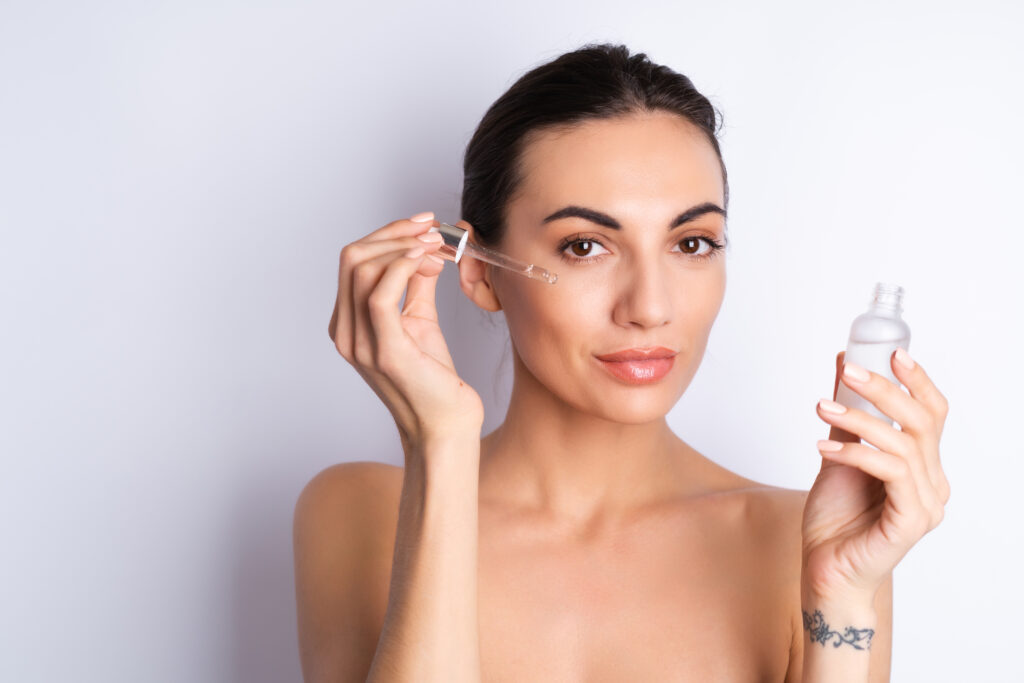
serum
A face serum is a lightweight, fast-absorbing skincare product designed to deliver a high concentration of active ingredients directly into the skin. It typically has a thinner consistency than moisturizers and is formulated to target specific skin concerns, such as fine lines, dark spots, dryness, acne, or dullness.
Serums are often water- or oil-based and contain powerful ingredients like vitamin C, hyaluronic acid, niacinamide, peptides, and retinol, depending on their purpose. Because serums are made with smaller molecules, they can penetrate deeper into the skin layers, offering more noticeable and faster results compared to thicker creams or lotions.
Key Benefits of Using Face Serum
Face serums are a vital part of an effective skincare routine because they deliver concentrated active ingredients that work deeply to improve your skin’s health and appearance. Unlike regular moisturizers, serums are formulated to target specific skin concerns with powerful ingredients that absorb quickly and efficiently.
Here are the main benefits of incorporating a face serum into your daily routine:
- Deep Penetration of Active Ingredients: Serums have a lightweight and thin consistency, which allows their potent ingredients to penetrate deeply into the skin layers. This deep absorption helps address skin issues at the source, making treatments more effective than creams that stay on the surface.
- Targets Specific Skin Concerns: Whether you want to reduce wrinkles, brighten dull skin, minimize dark spots, or control acne, there is a serum designed to meet your needs. The high concentration of ingredients in serums means they can focus on particular problems with precision.
- Improves Skin Texture and Tone: Regular use of face serums can lead to smoother, more even skin. Ingredients like vitamin C and niacinamide help brighten the complexion, fade discoloration, and refine skin texture for a youthful glow.
- Boosts Hydration: Many serums contain hydrating agents such as hyaluronic acid that attract moisture into the skin, improving skin elasticity and making it feel plumper and more supple.
- Supports Anti-Aging: Serums with antioxidants, peptides, and retinol promote collagen production and reduce the appearance of fine lines and wrinkles. This makes them an essential part of anti-aging skincare routines.
- Lightweight and Layer-Friendly: Because serums are light and absorb quickly, they fit easily into any skincare routine without feeling heavy or greasy. They can be layered under moisturizers and sunscreens without clogging pores.
- Enhances Overall Skincare Effectiveness: Using a serum after toner and before moisturizer prepares your skin to receive the full benefits of each product, enhancing the overall results of your skincare routine.
Face serums offer concentrated and targeted care that can transform your skin with consistent use. By deeply nourishing and treating specific concerns, serums help improve skin health, texture, and appearance more effectively than many other skincare products. Adding the right serum to your routine can bring noticeable and lasting benefits for a radiant, youthful complexion.
How and When to Apply Serum
Using a face serum correctly is key to unlocking its full benefits. Because serums contain highly concentrated active ingredients, applying them at the right time and in the right way ensures they absorb deeply and work effectively on your skin concerns.
Here’s a step-by-step guide on how and when to use serum in your skincare routine:
- Apply serum after cleansing and toning: Serum should be used on clean, freshly toned skin. Cleansing removes dirt and oils, while toner balances your skin and prepares it to absorb the serum better. Applying serum on this clean canvas allows active ingredients to penetrate deeply.
- Use only a small amount: You don’t need much serum—usually 2 to 3 drops are enough for your entire face. Using too much can lead to product wastage and may cause skin irritation, especially with potent ingredients.
- Warm the serum in your hands: Before applying, gently rub the drops between your palms. This helps warm the serum, making it easier to spread evenly and absorb quickly.
- Gently apply serum to your face: Use your fingertips to lightly press and massage the serum into your skin. Start from the center of your face and move outward, covering your forehead, cheeks, nose, and chin. Avoid rubbing harshly, as gentle pressure helps absorption without irritating the skin.
- Allow the serum to absorb fully: Give the serum a minute or two to sink into your skin before applying the next product. This ensures the active ingredients penetrate properly without being diluted by moisturizer or sunscreen.
- Follow up with moisturizer and sunscreen: After the serum is absorbed, apply a moisturizer to lock in hydration. In the daytime, always finish with a broad-spectrum sunscreen to protect your skin from UV damage.
Best Times to Apply Serum
- Morning routine: Use a serum with antioxidants or hydrating ingredients to protect and brighten your skin throughout the day.
- Evening routine: Choose serums with ingredients like retinol or peptides that support skin repair and anti-aging while you sleep.
Applying serum correctly enhances its effectiveness and helps you achieve your skincare goals faster. By using a small amount on clean, toned skin and following it with moisturizer and sunscreen, you maximize absorption and protect your skin. Regular and consistent use of serum tailored to your skin type can make a noticeable difference in your skin’s texture, tone, and overall health.
Toner or Serum First? Correct Skincare Order Explained
| Step | Product | Why This Step Comes Here | How to Apply |
| 1 | Cleanser | Removes dirt, oil, and impurities from the skin to create a clean base for other products. | Use a gentle face wash, rinse, and pat dry. |
| 2 | Toner | Balances skin’s pH, removes leftover residue, and preps skin for better absorption of active ingredients. | Apply with cotton pad or hands, gently swipe or pat over face. |
| 3 | Serum | Contains concentrated active ingredients that penetrate deeply to target specific skin concerns. | Use 2-3 drops, warm between palms, gently press into skin. |
| 4 | Moisturizer | Locks in hydration and seals serum benefits to protect the skin barrier. | Apply evenly all over the face and neck. |
| 5 | Sunscreen (AM) | Protects skin from harmful UV rays and environmental damage. | Apply generously as the last step in the morning. |
Conclusion: Customize Your Skincare Based on Skin Type
Every person’s skin is unique, and understanding your skin type is essential for building an effective skincare routine. Whether your skin is oily, dry, combination, sensitive, or normal, choosing the right products and applying them in the correct order will help you get the best results.
Toners and serums both play important roles but work best when matched to your skin’s specific needs. For example, if you have dry skin, a hydrating toner and moisturizing serum can boost moisture levels. For oily or acne-prone skin, a balancing toner combined with a serum that controls oil and targets blemishes will be more beneficial.
By customizing your routine—starting with cleansing, then toner, followed by serum, moisturizer, and sunscreen—you ensure that each product supports your skin’s health without causing irritation or imbalance. Remember, consistency and the right combination are key to achieving a youthful, glowing complexion.
FAQs: Toner vs Serum and Daily Usage Tips
Should I use toner or serum first?
Toner should always be used before serum. Toner preps the skin by balancing its pH and helping remove any leftover residue. This allows your serum to penetrate deeper and work more effectively.
Can I use toner and serum every day?
Yes, you can use both daily—morning and night—depending on your skin type and the product formulations. Choose gentle, hydrating toners and serums that suit your skin concerns. However, if your serum contains strong actives like retinol or exfoliating acids, you may need to use it less frequently.
What happens if I skip toner?
Skipping toner won’t ruin your routine, but you may miss out on benefits like pH balance, extra hydration, and better product absorption. For dry or sensitive skin, a hydrating toner can add an essential moisture layer.
Can I mix toner and serum together?
It's best to apply them separately. Toners are water-like and meant to prepare the skin, while serums are concentrated treatments that need time to absorb. Mixing them can dilute the serum and reduce its effectiveness.
Do I need a serum if I already use a moisturizer?
Yes, serum and moisturizer serve different purposes. A serum delivers targeted treatment deep into the skin, while a moisturizer locks in hydration and creates a protective barrier. Using both ensures optimal results.
When is the best time to apply toner and serum?
Apply toner and serum twice daily—once in the morning and once at night—after cleansing your face. In the daytime, follow up with moisturizer and sunscreen. At night, finish your routine with a nourishing night cream or moisturizer.